
Muscle
design and function is highly variable among organisms, and research
in this area takes advantage of this diversity to help understand
the rules of muscle metabolic construction. One of the principal
goals is to understand the metabolic processes associated with contraction
and recovery in intact muscle fibers. For instance, we are interested
in how cellular organization and diffusive processes within cells
effect muscle metabolic function, and ultimately how this relates
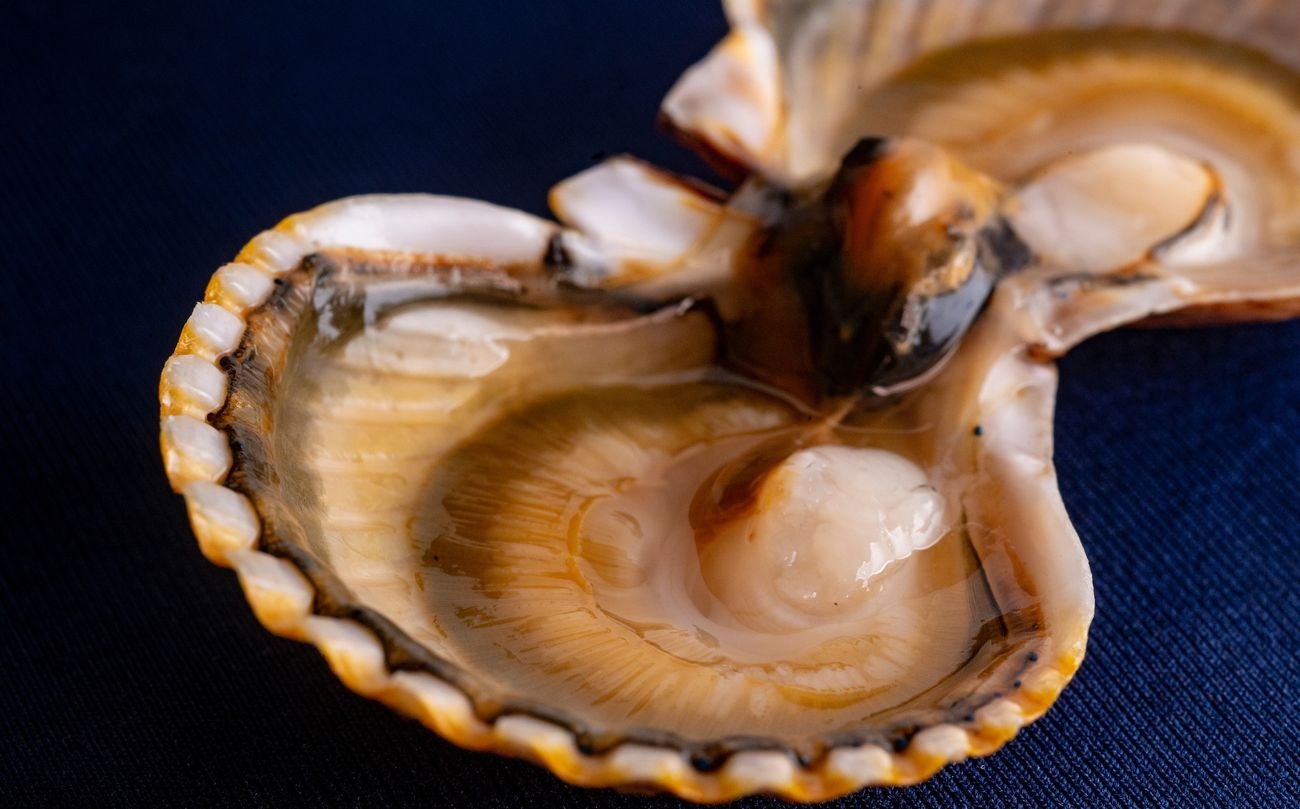
to whole organism function. Several species of marine and terrestrial
organisms are used because the unique properties of their muscle
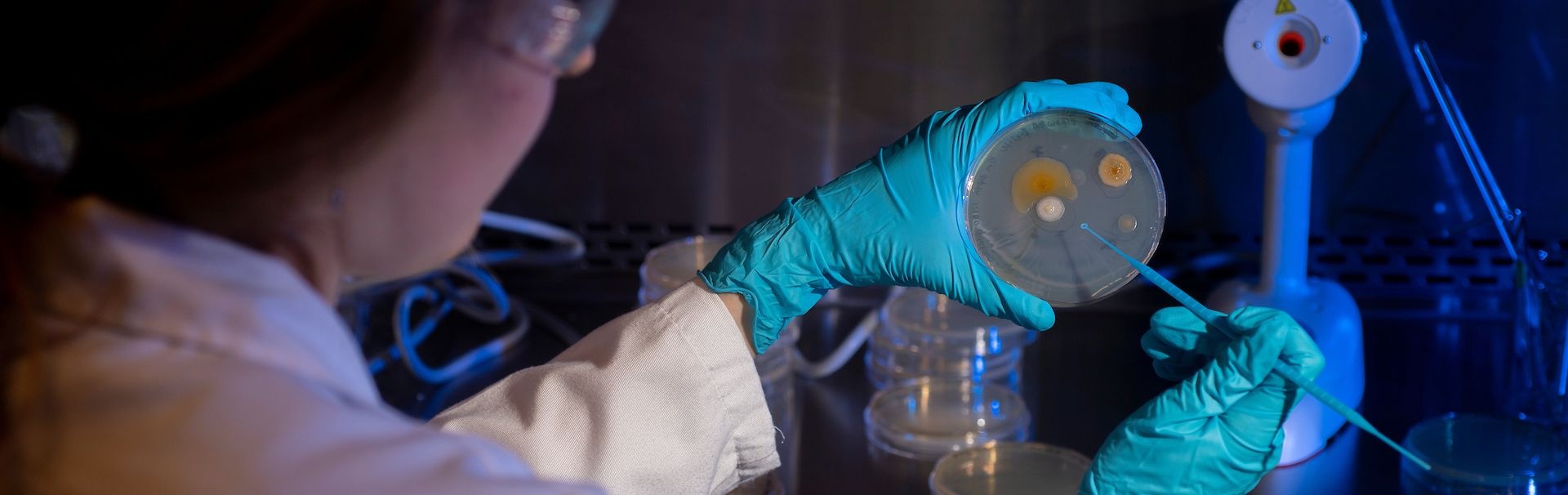
fibers make them ideal for certain types of studies. A variety of
techniques are used in these analyses, including nuclear magnetic
resonance spectroscopy of living tissues, muscle contraction measurements,
microscopic methods, and an array of standard biochemical and physiological
approaches. For marine mammal studies, gross and microscopic morphology,
histochemistry and biomechancial techniques are used.