


Skip to header Skip to Content Skip to Footer
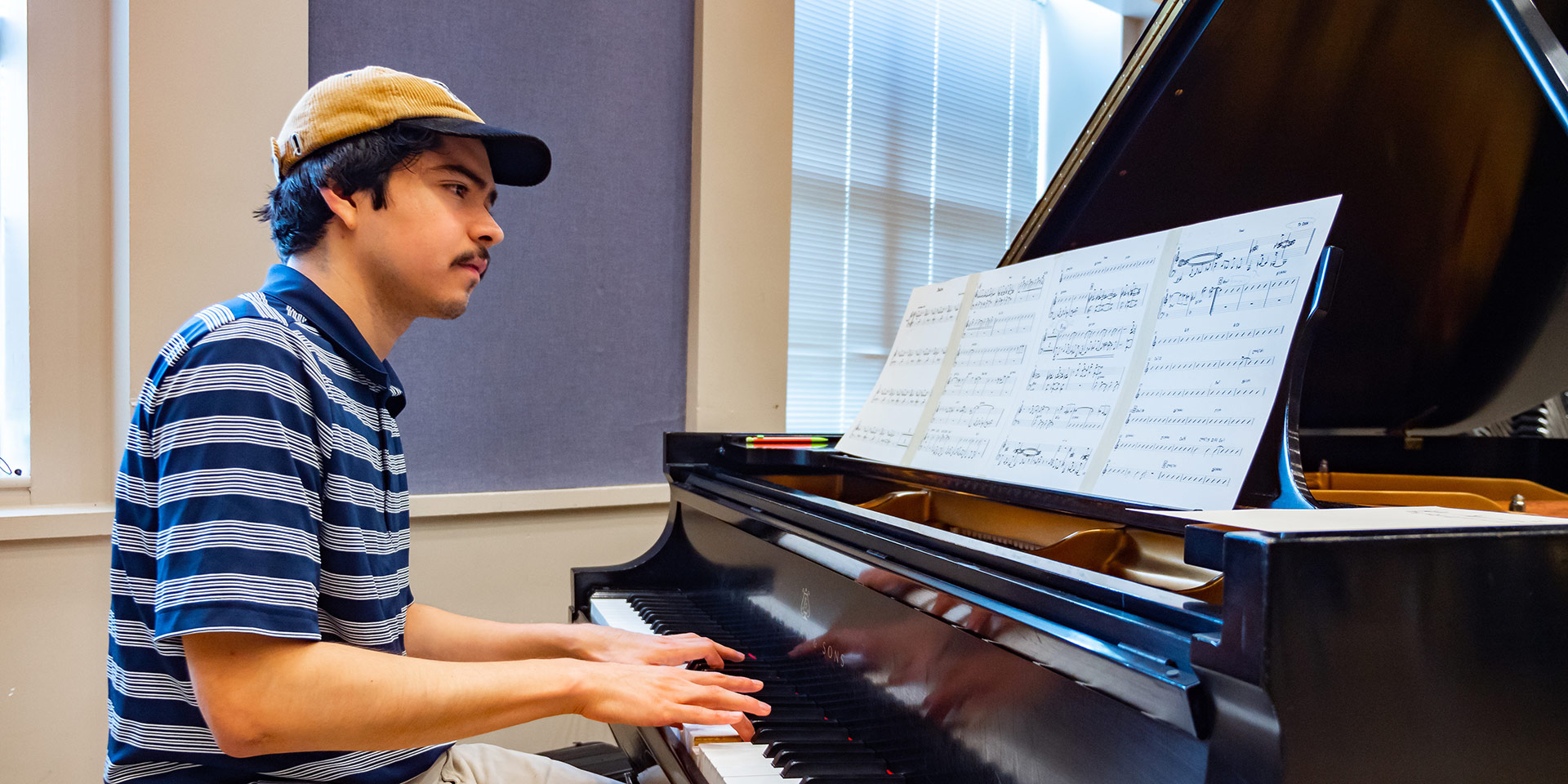
A student practicing the piano

Music, B.A.

Meet the Unique Demands of the 21st – Century Musician
  • 9:1

    Student-Faculty Ratio

  • Awards

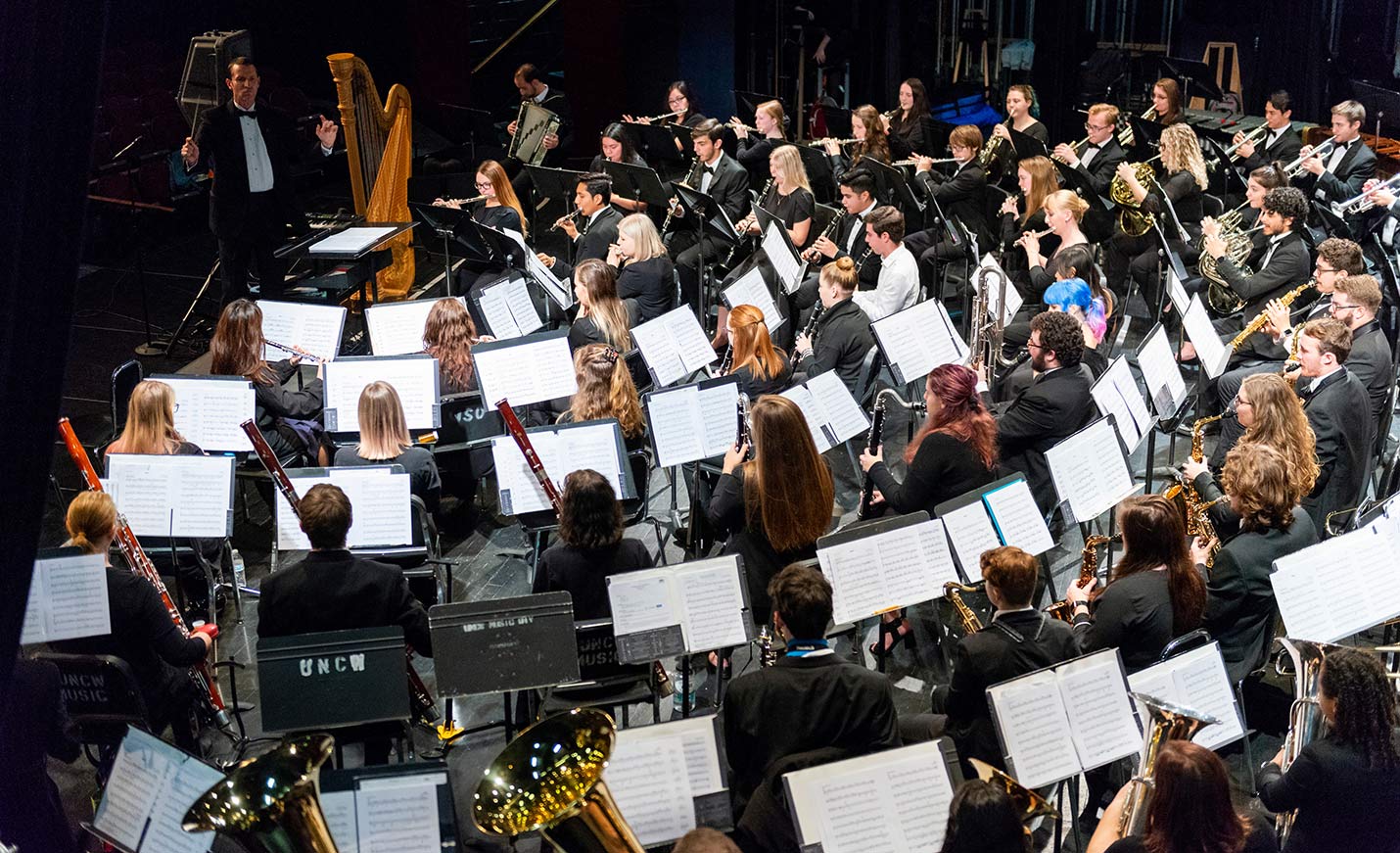
    Student Ensembles & World-Class Facilities

  • 3rd

    Ranking on the “5 Best Colleges for Music Majors in North Carolina” List per Zippia

Find your career in:

Hone your craft and become a performing artist.

Teach private lessons to aspiring musicians and performers.

Write music as a professional occupation.

Organize concerts and performances for musicians and artists.

Learn To

Unleash your creativity

Refine your skills; practice your craft

Cultivate new collaborations

Connect history with current trends

Become an arts advocate

“ Come to UNCW if you’re looking for an intimate learning experience, if you’re looking for lots of one-on-one time with your professors. As a student, that is very, very helpful. ”
Isabella Stollenmaier ’17
Music, B.A. Overview
  • Related Programs

    Music Education, B.M.

    The Bachelor of Music in Music Education degree is intended for students who have a passion for teaching music in a public or private school setting.

    Learn More

    Music Minor (Music, Jazz, Choral Music)

    The music minor provides courses in music theory and history, applied lessons, participation in performance ensembles and a variety of other music classes to further the student’s musical knowledge, as well as opportunities to emphasize studies in select areas.

    Learn More


  • Graduate Programs to Consider Next

    Master of Music

    You can go on to study at the graduate level in classical and jazz performance (instrumental, keyboard, voice/opera), composition, choral and instrumental conducting, music technology and music therapy.

    Master of Music in Musical Theatre

    A master's program in musical theater is designed to enhance, refine, and elevate the performance skills of advanced musical theater artists.

    Post-Baccalaureate Certificates

    These programs provide flexibility for artists to build and work on professional portfolios, leading directly to a profession in the arts (music technology, opera studies, historical performance, musicology, music theory, and ethnomusicology).