
UNCW Archaeology Students Dig Into Brunswick Town's Past
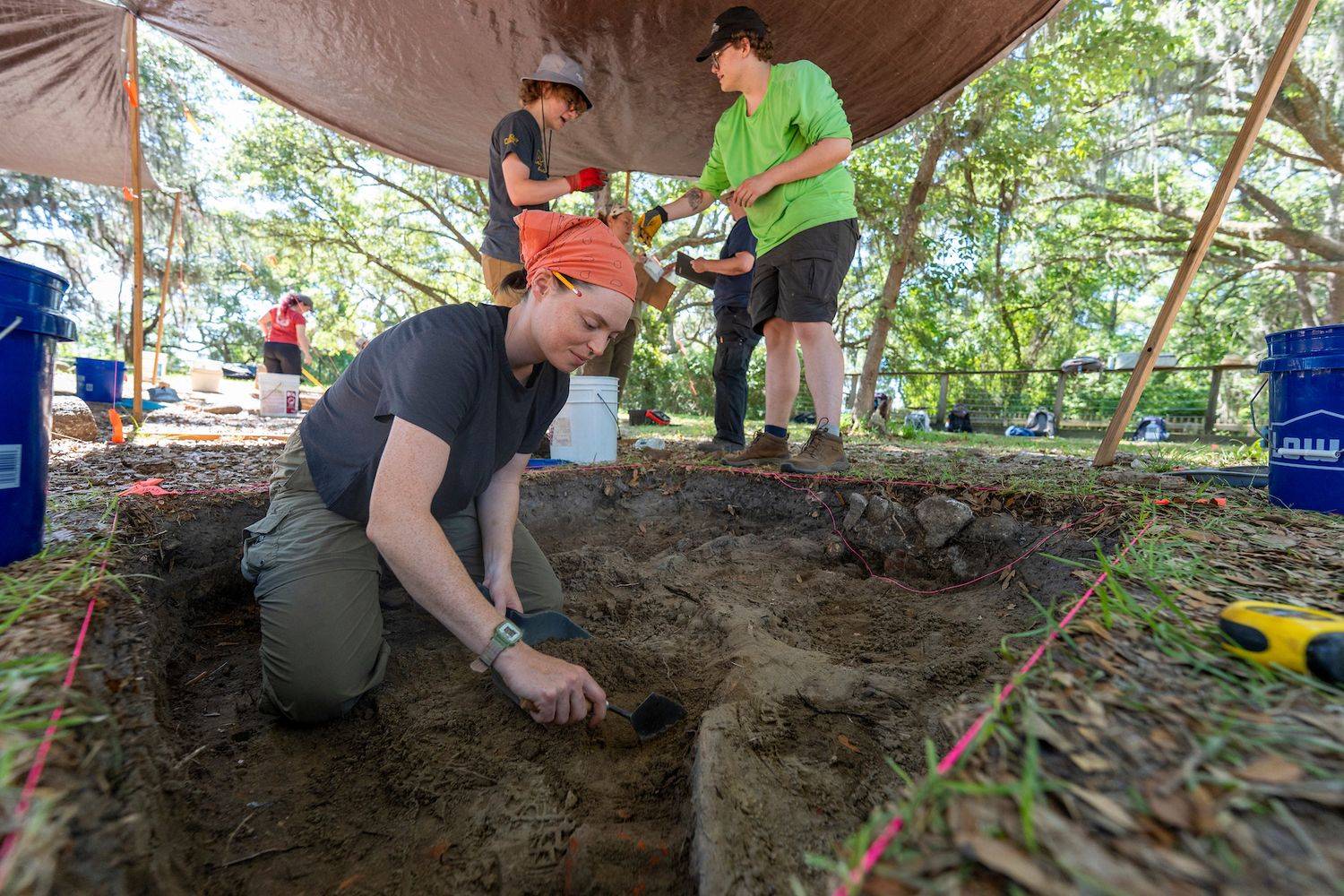
Photo: Michael Spencer/UNCW
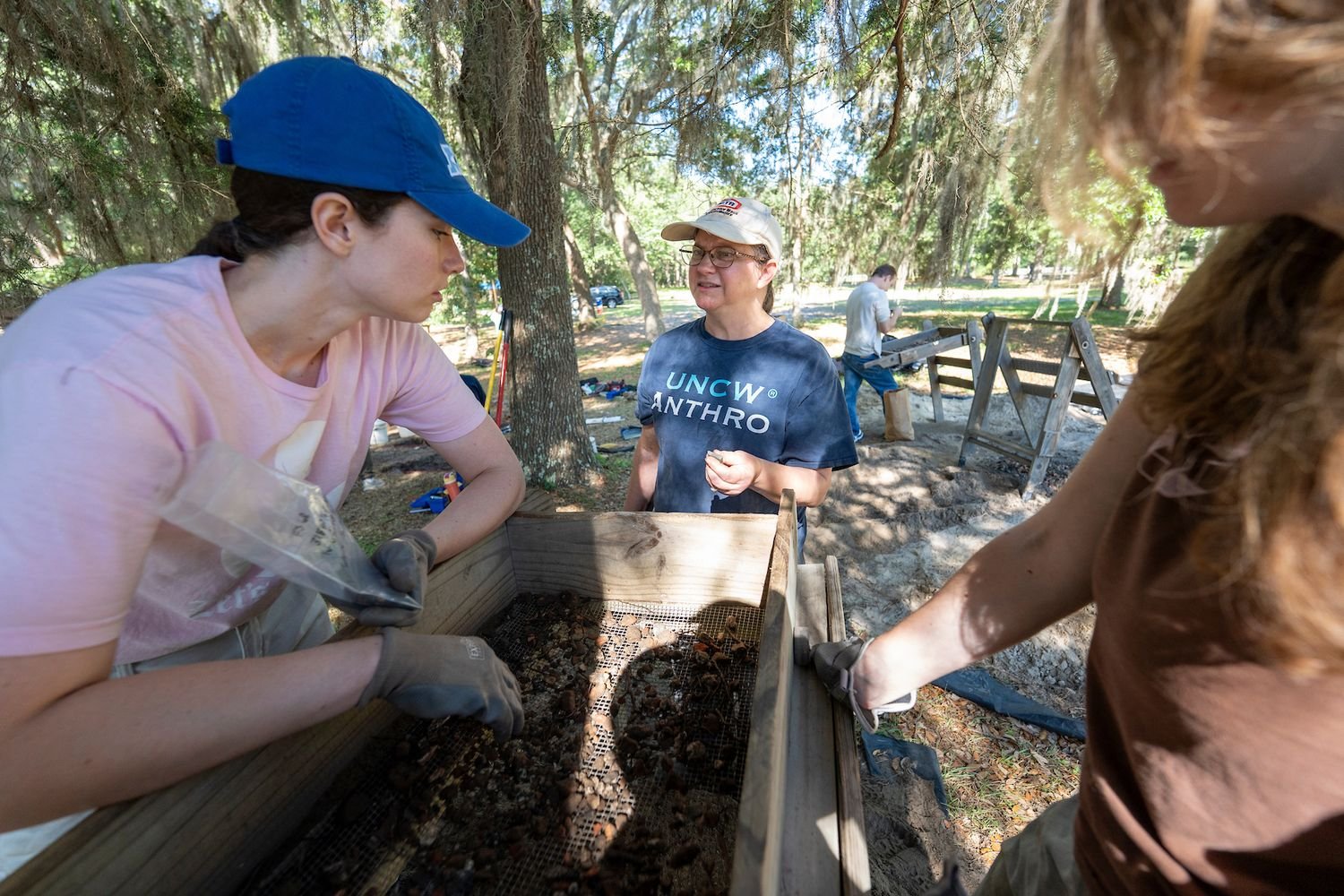
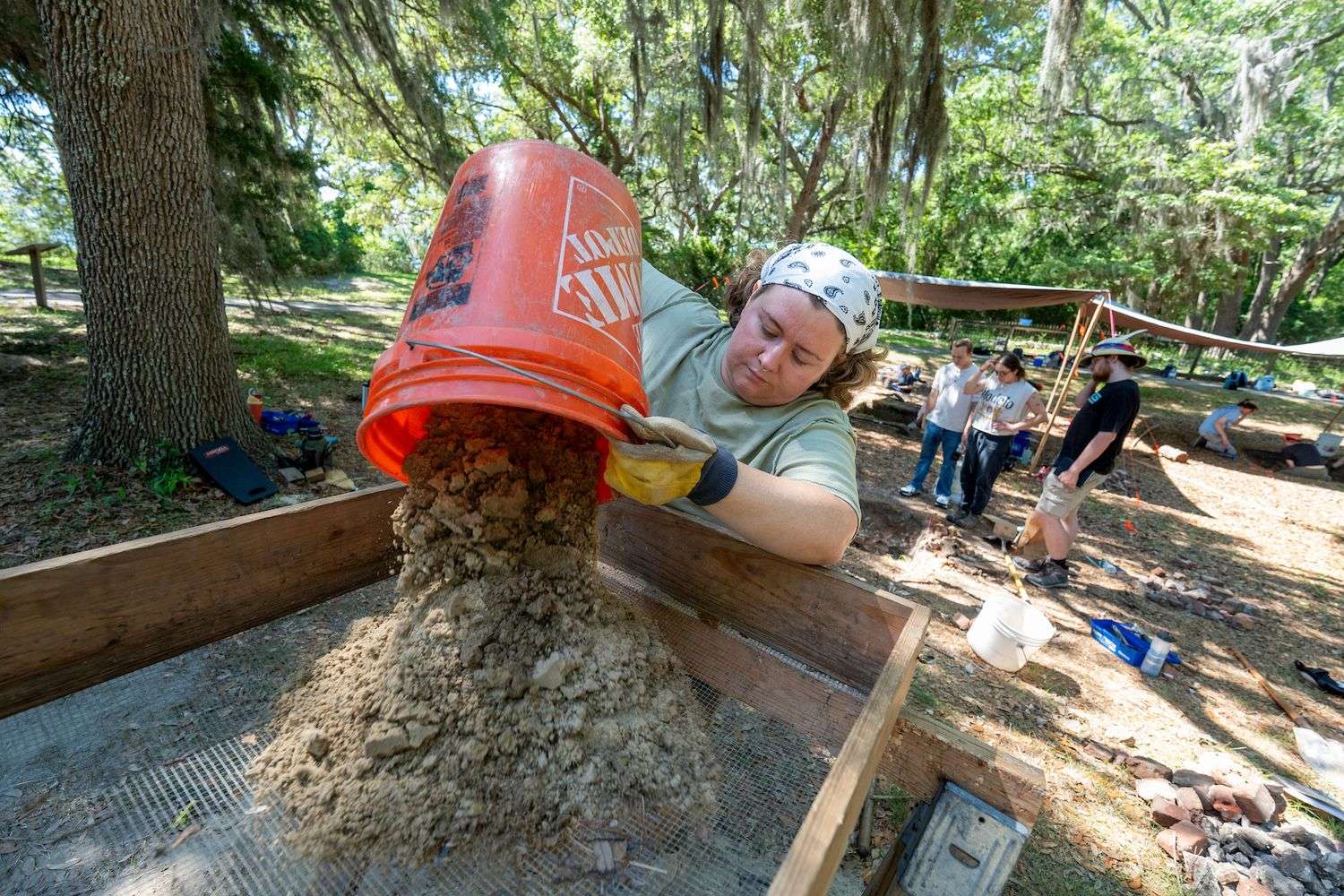
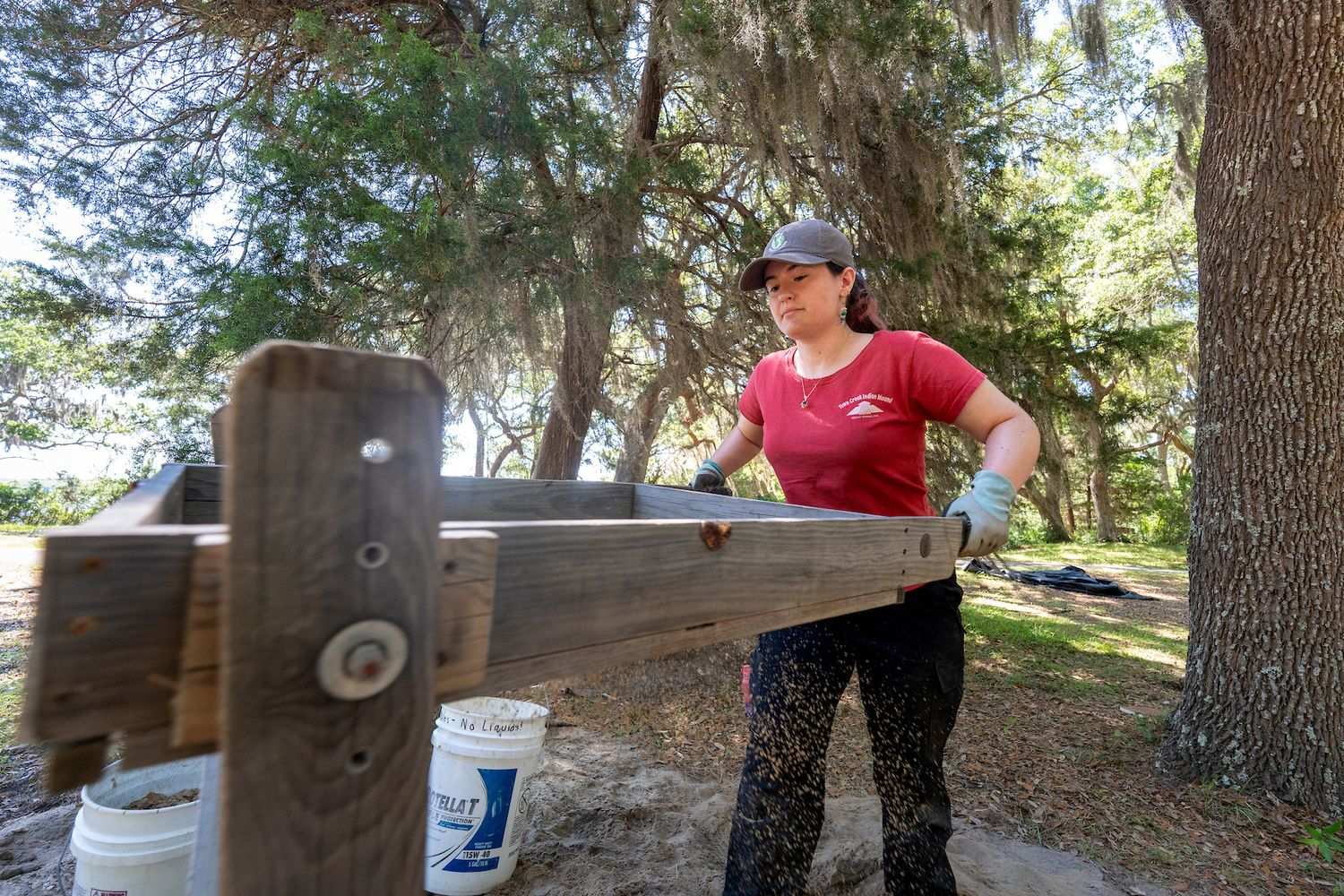
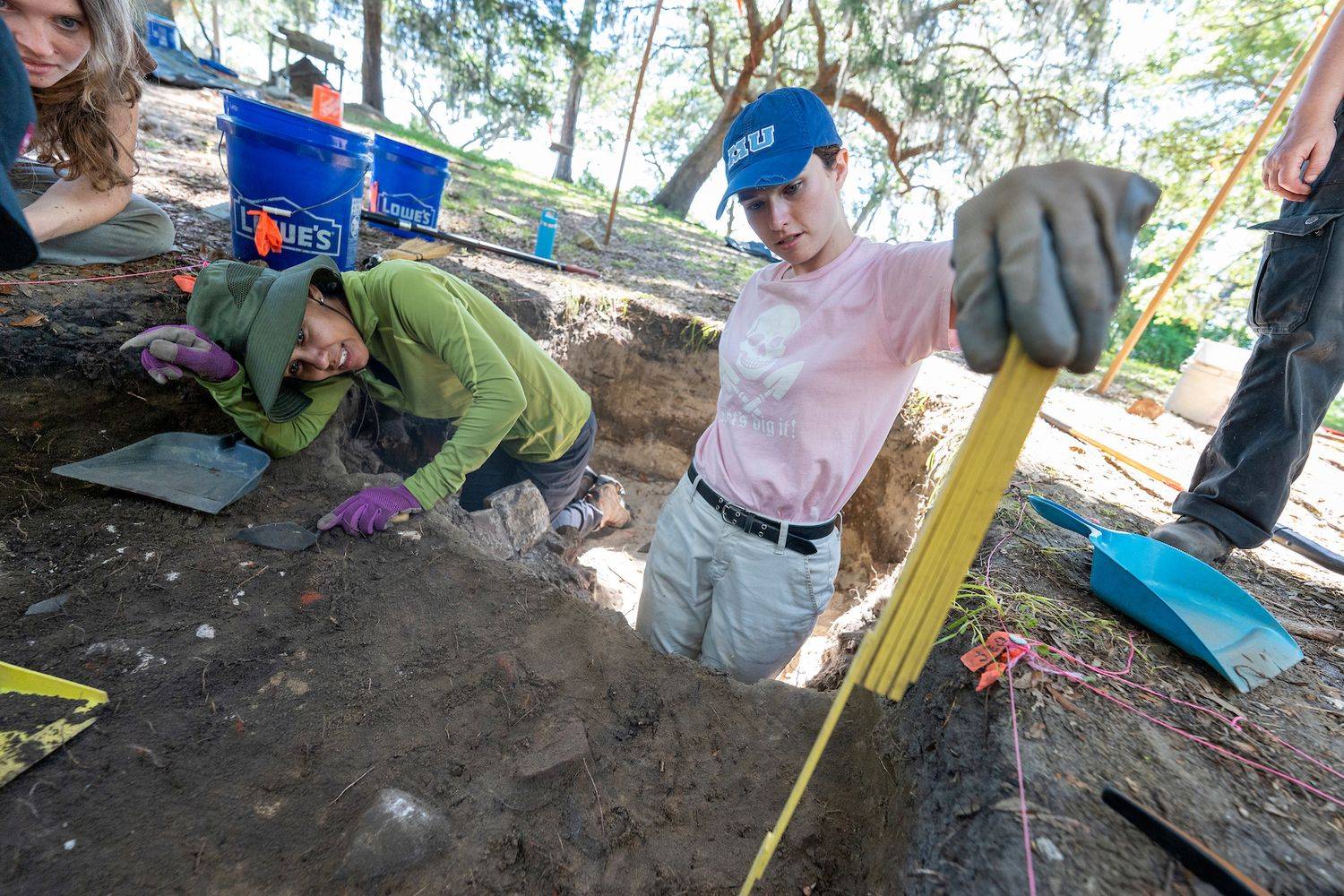
Along the intracoastal waterway, 22 miles south of UNCW, lies the historical Brunswick Town/Fort Anderson, a location with much history that researchers aim to uncover. Each year, Professor Eleanora Reber and her field school students search for artifacts that shed light on the lives of colonial residents and enslaved people who once lived there.
Situated along the Cape Fear River, Brunswick Town was a colonial port until British forces burned it down in 1776. Decades later, the Confederate army built Fort Anderson atop the town’s ruins during the Civil War. Reber has led archaeological digs across the lower Cape Fear since 2011, including multiple excavations at River Park, the Orton Plantation and Brunswick Town/Fort Anderson.
“I’m interested in learning about the lives of workers, enslaved people, servants and generally the kinds of people who don’t show up in the history books,” Reber said.
Her most recent field school analyzed the structures on Lot 27, an area of Brunswick Town that produced nearly all the site’s colonoware pottery, an unglazed historic pottery produced by enslaved people at Brunswick Town in the 1700s. The lot was formerly excavated by Stanley South, a prominent American archeologist who developed many of the practices common in modern historical archaeology.
“I thought excavating the other structure on the property would maybe help us figure out the purpose of the originally excavated structure, how the colonoware was being used and tell us about the lives of everyday people at Brunswick Town,” Reber said.
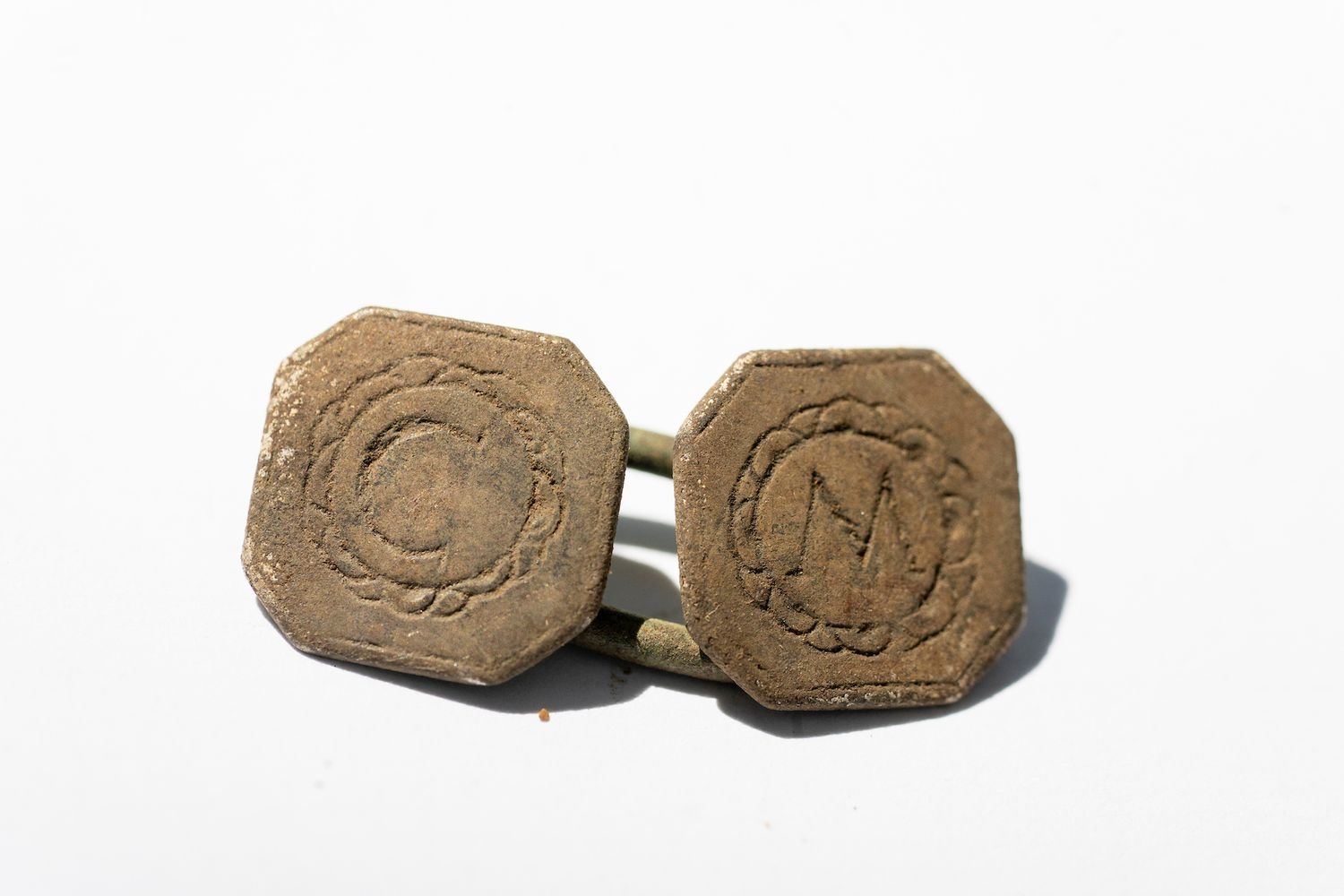
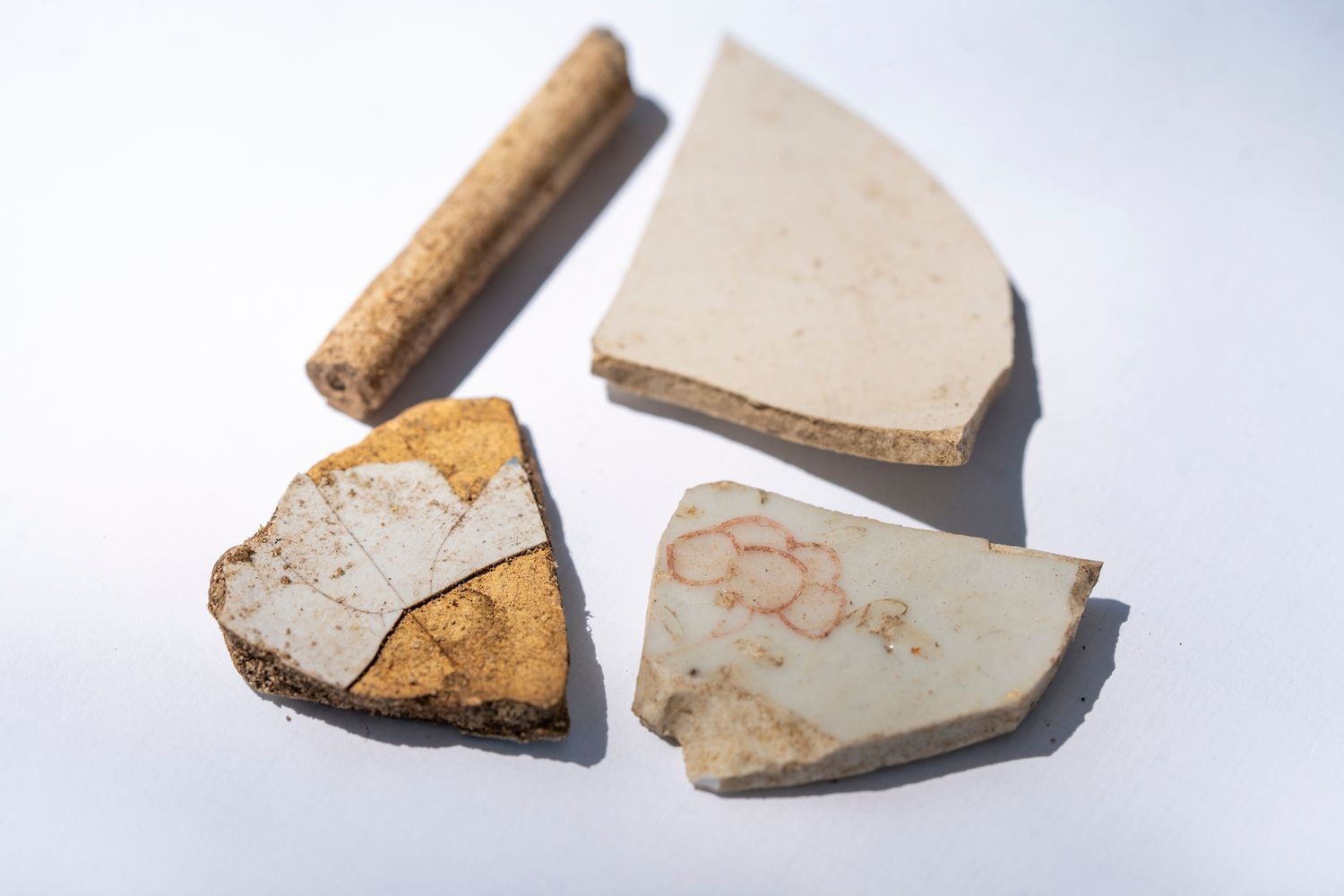
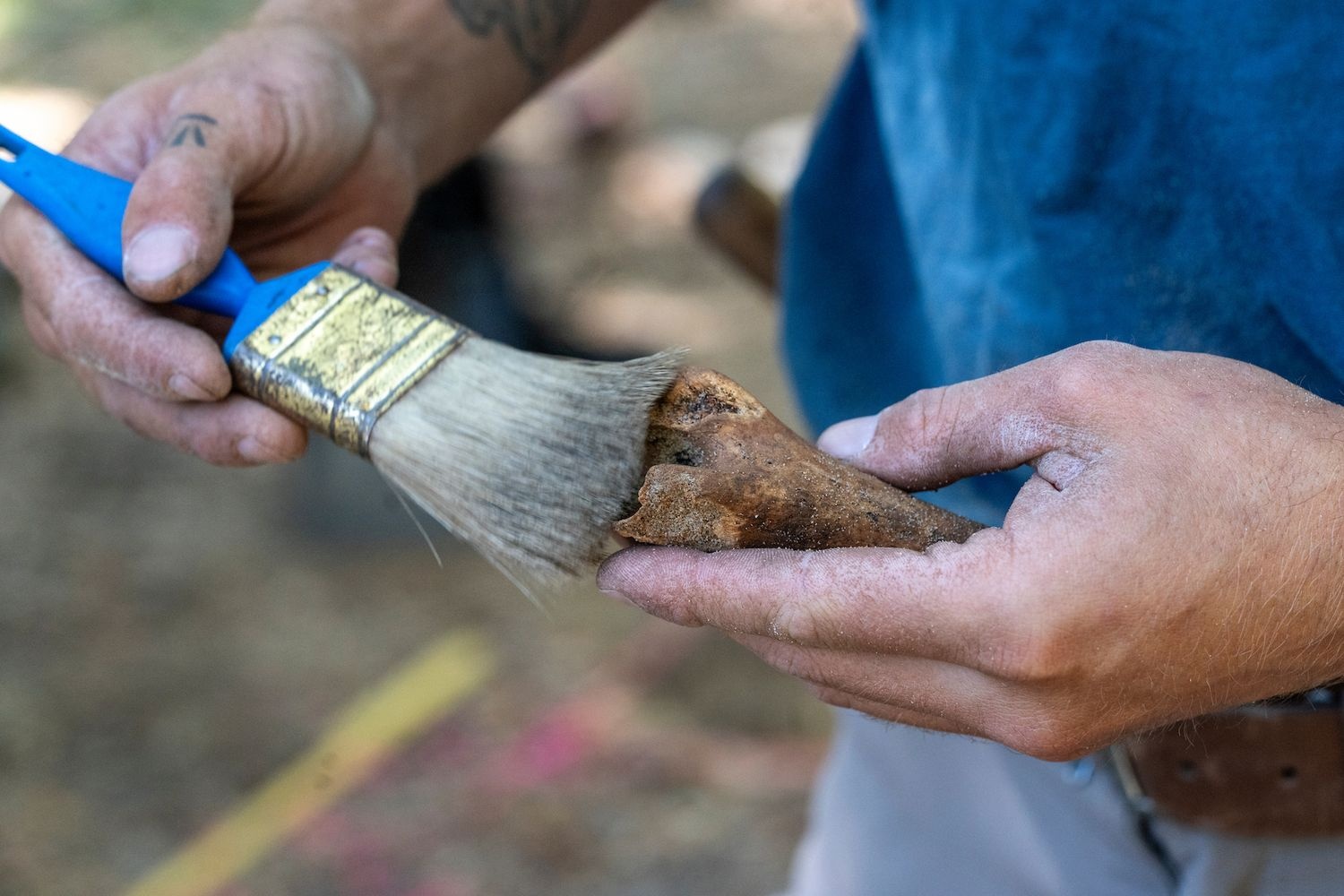
The team’s discoveries included ceramic shards, glass, brick, buttons, coins, Native American pottery and two pairs of cufflinks. The team uncovered a second structure on the lot that had been burned and likely sustained water damage. Reber’s team is conducting a lab analysis of the artifacts, and further excavations are planned to determine the purpose of the building.
Among the students involved in the excavation was Amber Shoulders, president of UNCW’s Anthropology Club.
“We wanted to investigate this possible structure to gain a better understanding of the life of the everyday inhabitants of Colonial Brunswick Town, specifically in regard to enslaved inhabitants in the area,” Shoulders said.
Field school participant Savannah McKeithan, now employed as an interpreter at Brunswick Town, developed skills in excavation, mapping and artifact analysis.
“Fieldwork has given me a more personal experience with the site, rather than the written history. It allowed me to ‘get in the world’ of the people who lived there,” she said.
For Jim McKee, director of Brunswick Town, the historical site is a “thesis factory,” drawing graduate students in anthropology, marine sciences and history from UNCW and other schools. Well-respected archaeologists, including Tom Beaman and Charlie Ewen, as well as UNCW and the ECU field schools, have excavated from the site.
McKee, who manages the day-to-day operations and research activities, compares North Carolina’s Brunswick Town to Virginia’s Jamestown. Both were early English colonial settlements and port communities. Like the famous Virginia settlement, it also offers archaeologists a window into colonial life.
“Every single day I am out here I learn something new, and I have been here for nearly 18 years,” said McKee.
Reber's work also extends beyond Brunswick Town. She has collaborated with the NC Rice Festival, a nonprofit dedicated to preserving Gullah Geechee heritage. The Gullah-Geechee are descendants of enslaved West Africans who worked the fields on rice plantations within the lower Cape Fear.
“These projects allow people to really touch and imagine the past in a way that is more immediate and physical than reading a book or seeing a TV show or movie,” said Reber. “In my work with the NC Rice Festival, I hope it has brought the physical reality of the Gullah heritage to nearby descendants. I hope it has also helped newcomers to the area understand the depth and complexity of history in southern Brunswick County.”
Decades of research have uncovered hundreds of artifacts, yet much of Brunswick Town remains unexplored. For Reber, her students and the site's staff, that means there is still much to unearth.
"Every day is a new discovery," Reber said.