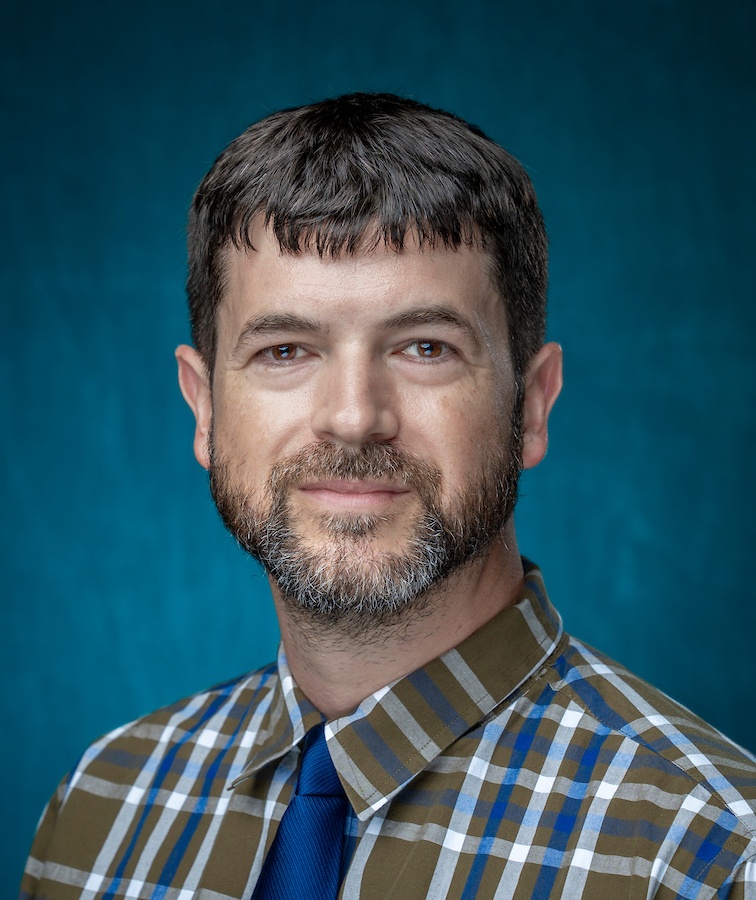

UNCW Researchers Awarded Over $1 Million in NIH Funding
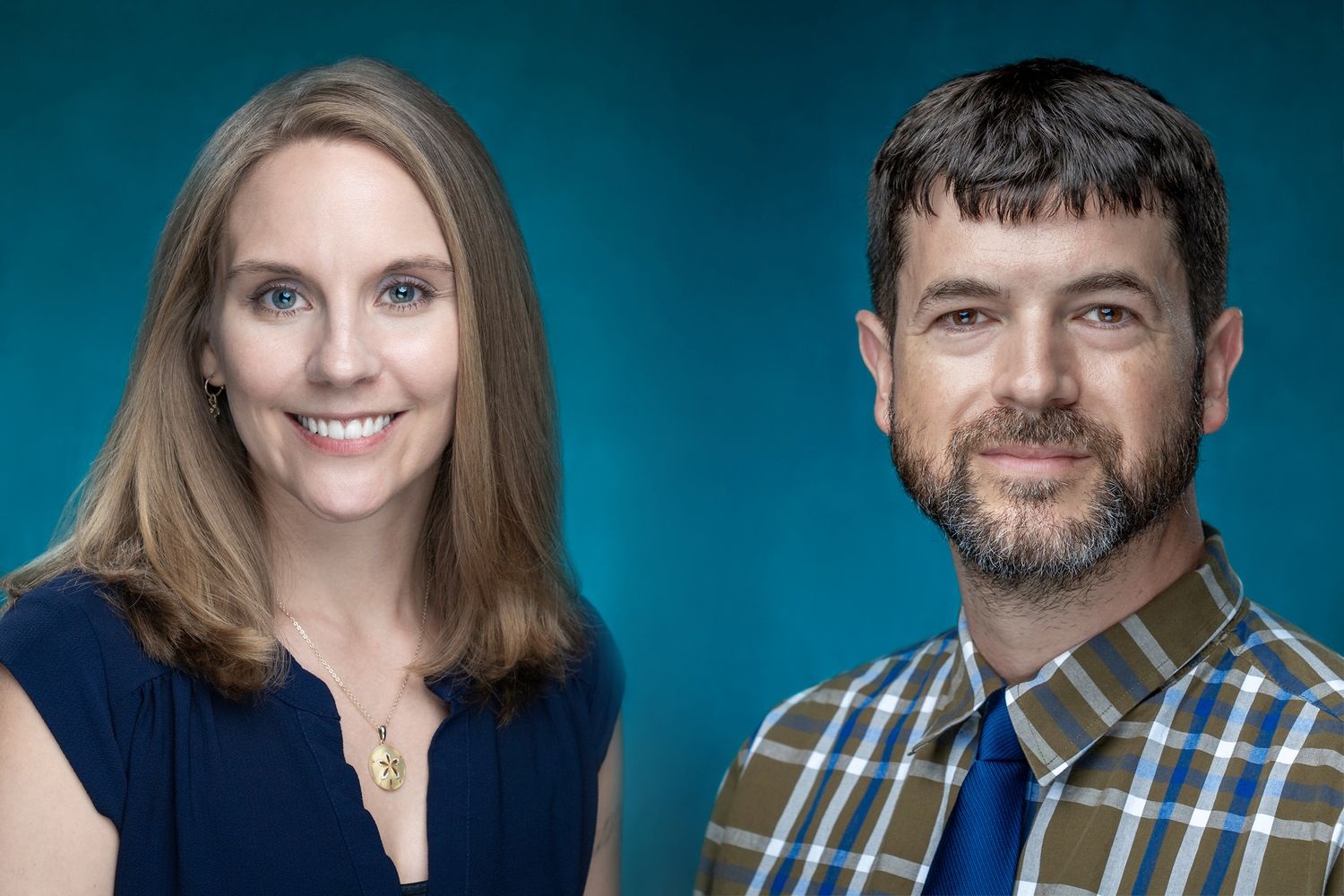
Photo: Michael Spencer/UNCW
The University of North Carolina Wilmington has received more than $1 million in National Institutes of Health (NIH) funding to support innovative research projects in the Departments of Biology and Marine Biology and Psychology.
Sarah Fausett, assistant professor in the Department of Biology and Marine Biology, received $546,500 to support her project, “Uncovering Non-canonical Roles of Phosphagen Systems in Stress Resilience Using C. elegans.”[i] The research will investigate how proteins known as phosphagen kinases help cells tolerate stress through energetic resilience and other mechanisms. Fausett's work focuses on the intersection of stress biology, reproduction and aging.
"Phosphagen systems act similarly to rechargeable batteries in muscles and neurons-cell types that use lots of energy,” Fausett said. “Although we know that they also improve organismal stress resilience, we don't yet understand how they do that or how we might leverage these systems to combat aging and disease."
Fausett’s lab provides hands-on research opportunities for undergraduate and graduate students pursuing biomedical science. Since joining UNCW in 2023, she has mentored 27 undergraduate students, including six who completed undergraduate honors theses.
“This NIH grant specifically includes funding to continue supporting high-quality undergraduate research experiences,” Fausett said.
Richard Pond, professor in the Department of Psychology, was awarded $453,942 from the National Institute on Alcohol Abuse and Alcoholism (NIAAA), part of the NIH, to support his project, “Anxious, Alone and Thirsty for a Drink: Attachment Anxiety Moderates the Impact of Social Rejection on Alcohol Use.”[ii] The research will examine how social rejection influences alcohol use among young adults and how attachment anxiety may affect an individual's vulnerability to that influence.
“Binge drinking and excessive alcohol use remain common among young adults,” Pond said. “Alcohol-related deaths have increased in recent years, and binge drinking accounts for roughly one-third of those deaths. We need a better understanding of the situations and personal characteristics that make young people more susceptible to in-the-moment drinking so that we can design effective interventions to reduce this behavior.”
Over the next three years, the Pond Social Psychology Lab will conduct a series of studies examining the relationship between social rejection and alcohol use. Social rejection is considered a particularly powerful risk factor because it is a painful and highly salient experience that can increase impulsive behavior. Pond’s research will explore attachment anxiety as a key factor that may make some individuals more vulnerable than others to the effects of that rejection on their alcohol consumption.
[i] Research reported in this press release was supported by the National Institute of General Medical Sciences of the National Institutes of Health under Award Number R15GM164975. The content is solely the responsibility of the authors and does not necessarily represent the official views of the National Institutes of Health.
[ii] Research reported in this press release was supported by the National Institute on Alcohol Abuse and Alcoholism of the National Institutes of Health under award number R15AA032936. The content is solely the responsibility of the authors and does not necessarily represent the official views of the National Institutes of Health.