

Purpose, Persistence and the Path Forward: Cece Worley ’20
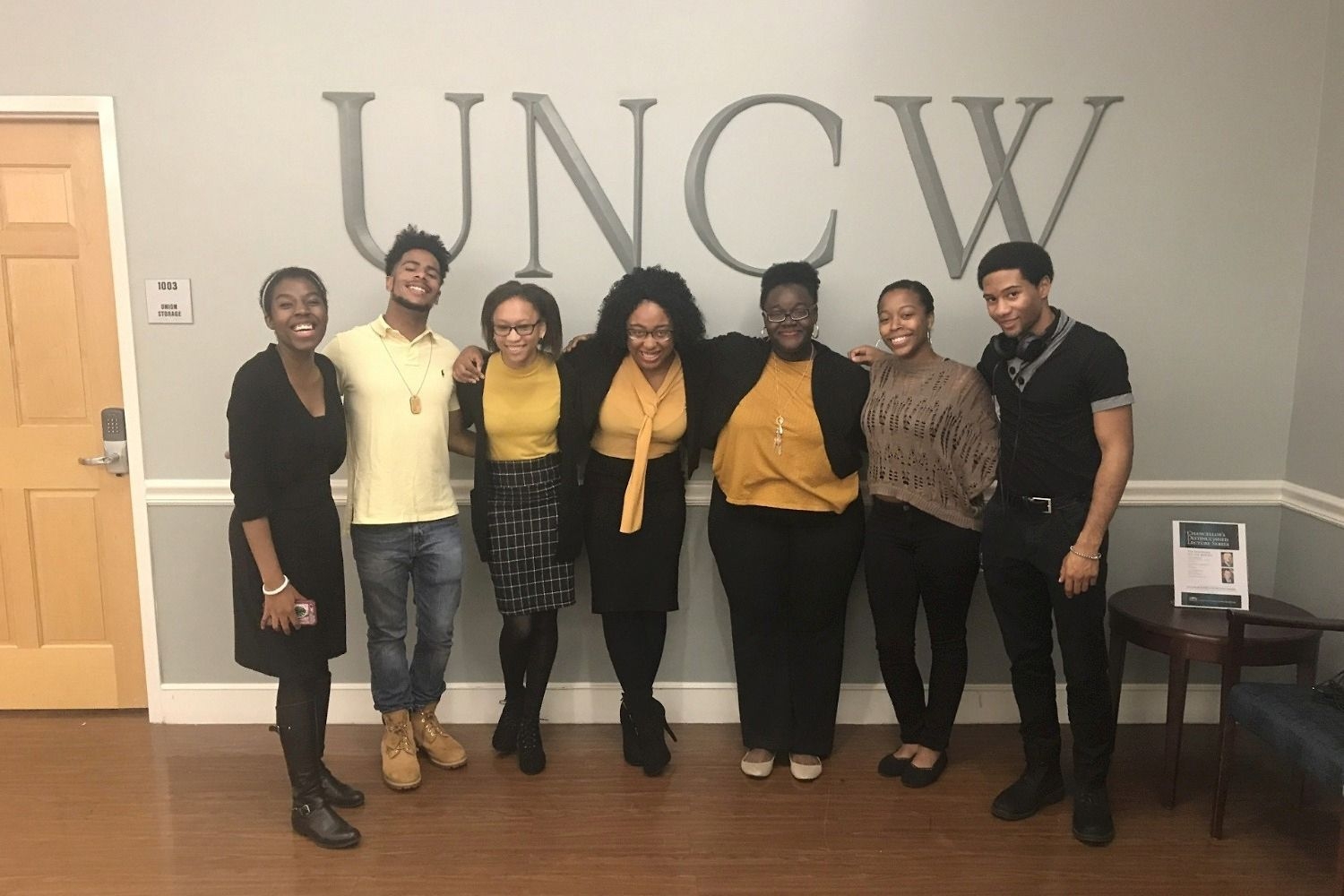
Courtesy: Photo Courtesy: Cece Worley '20
Cece Worley’s ’20 path to the University of North Carolina Wilmington started with a single college application — and a decision to trust where it led.
“I could only afford to apply to one school,” said Worley. “I prayed and asked God to direct me, and when I opened College Board, UNCW was the first school presented to me. It felt predestined.”
Looking back, that moment still holds meaning, but it has taken on new depth.
“I do still see it that way,” Worley said. “I think the way my life has played out was very intentional. I honestly don’t see how else I would have been able to gain the experiences and leadership skills that I’ve gained if I did not go to UNCW.”
As she learned more about the university, that initial instinct became a clear choice. Worley found herself drawn to the criminology program and its focus on understanding the justice system within broader institutional and social contexts. She paired that major with a minor in sociology, building a foundation for examining how systems shape people’s lives.
Learning to Lead
At UNCW, where she majored in criminology and minored in sociology, Worley’s academic experience pushed her to think more critically and intentionally — a shift that continues to shape her work. That growth was influenced in part by professor Kimberly Cook, whom Worley credits as instrumental in her academic development.
One moment in particular has stayed with her.
“I remember, very vividly, offering an answer during class discussion that was based entirely on my intuition,” Worley said. “She corrected me firmly but fairly and reminded me that conclusions should not rest on anecdote alone. They must be grounded in evidence.”
“She was deeply knowledgeable, accessible and genuinely invested in my growth,” Worley continued. “She played a major role in shaping me into the scholar I am today.”
Mentorship extended beyond the classroom as well. Sean Palmer, former director of the Upperman African American Cultural Center, became a key figure in Worley’s college experience, supporting both her personally and the organizations she helped build.
“He was a mentor to me personally and to the Gospel Choir as a whole,” she said. “His encouragement helped validate what we were building.”
That validation mattered, especially in a moment that would define her leadership journey. As a freshman, Worley went looking for a gospel choir. She discovered there was no active gospel choir on campus at the time.
“Instead of turning me away, the staff immediately asked, ‘why not start one?’ I was stunned,” she said. “I had never imagined myself founding and leading an organization. That moment changed my college experience.”
Inspired by that encouragement, Worley led efforts to reestablish a gospel choir — The Sovereign Voices of Worship — on campus, creating a new space rooted in connection, culture and community. The experience shaped her leadership philosophy in lasting ways.
“I learned to clearly share plans and also seek feedback from the people I’m leading,” she said. “I also focus on developing others into leadership roles... and leading through servitude — putting the needs of your people first.”
Through the choir and her involvement in Campus Ministry International (Surge), the Black Student Union and the Criminology and Sociology Club, Worley developed a leadership style grounded in intentionality, humility and service.
Her time at UNCW also included challenges. During her sophomore year, Worley was academically dismissed after taking on too much.
“I went home feeling like I had failed,” she said.
Initially, she didn’t plan to appeal. But with encouragement from her parents, she reconsidered. She was readmitted soon after — a moment that reshaped her perspective.
“If I had given up in that moment, I wouldn’t be where I am today,” Worley said. “One obstacle does not define your life — it's just something to overcome.”
Testing and Defining the Path
After completing her undergraduate degree, Worley began working in juvenile justice, a role she said she “truly loved.” But over time, certain patterns began to stand out.
“I started noticing that many of the kids coming in were from the same neighborhood,” she said. “That meant they were going to the same school and had access to the same resources.”
Looking more closely, Worley saw disparities in those schools — fewer resources, less support and limited programming compared to others in different zip codes.
“When you see a problem concentrated in one area like that, it suggests external factors are contributing,” she said.
The experience broadened how she understood the work and the factors shaping it. That shift helped clarify her long-term direction.
In 2020, Worley founded Economic Justice for African Americans, a grassroots advocacy group focused on education, outreach and policy awareness. Around the same time, she faced one of the most defining challenges of her journey: navigating a complex legal case on her own, without formal legal training.
“It was hard; it was taxing; it was isolating,” Worley said. “But it was absolutely necessary.” Working with limited resources, she taught herself how to navigate the legal system — studying procedural rules, reviewing filings and building arguments step by step. She won.
The experience deepened her understanding of how difficult the legal system can be to access.
“There are so many people with legitimate claims who never receive justice because the system is too complex, too expensive and too intimidating to navigate alone,” Worley said. “I lived that reality.”
It also reinforced her direction moving forward.
“When no lawyer saw a winning case due to underdeveloped law, I saw an opportunity to develop that law.”
Moving Forward with Purpose
Today, Worley is pursuing her J.D. at Georgetown University Law Center as a recipient of the Marshall-Motely Scholarship.
“It means everything to me,” she said. “This opportunity means I get to do what I have always wanted to do: help those who grew up with me, those who helped build me and those who will come up after me.”
The scholarship made law school financially possible and affirmed the direction Worley had been building toward for years.
At Georgetown, she is focused on developing the skills and experience needed to pursue civil rights law and expand access to justice — work that remains deeply personal.
“I stay grounded by remembering where I come from and recognizing that the people I’ll be serving were me years ago,” Worley said.
Music also continues to play a central role in her life, grounding her in the same sense of community and purpose that drives her work in civil rights.
Looking back, Worley sees UNCW as the starting point for that path — a place that challenged her thinking, shaped her leadership and gave her the tools to move forward with clarity and defined purpose.
“UNCW quite literally built me into the civil rights advocate I am today,” she said. “It helped me transform my lived experience into purpose, and my purpose into action.”
That purpose continues to guide her — from UNCW to Georgetown and into the communities she hopes to serve. “Even if something looks impossible right now, that doesn’t mean it is,” Worley said. “Don’t give up.”