

Where Research Supports Community Solutions
Courtesy: BrianDonovan/ETC Media
UNCW researchers are working across disciplines and in partnership with communities, nonprofits and industry leaders to address challenges in coastal North Carolina and beyond. From environmental resilience and natural disaster mitigation to food insecurity and student mentorship, researchers are turning discoveries into solutions with real-world impact.
These efforts reflect a research enterprise increasingly focused on solving critical problems while engaging with the communities it serves. The work is often possible because of strong regional funding partners like North Carolina Biotechnology Center and NCInnovation, two accelerators of translational research, and The Endowment, a driver of lasting community transformation for New Hanover County, North Carolina.
"As a public university, we believe that our role is not confined to campus boundaries. We are committed to learning, discovery and service with our community, not apart from it – rippling outward across the state and into the world. Community-engaged scholarship is one of the most powerful ways we achieve this effect," said Stuart Borrett, associate provost for Research and Innovation.
Preparing for Rising Waters
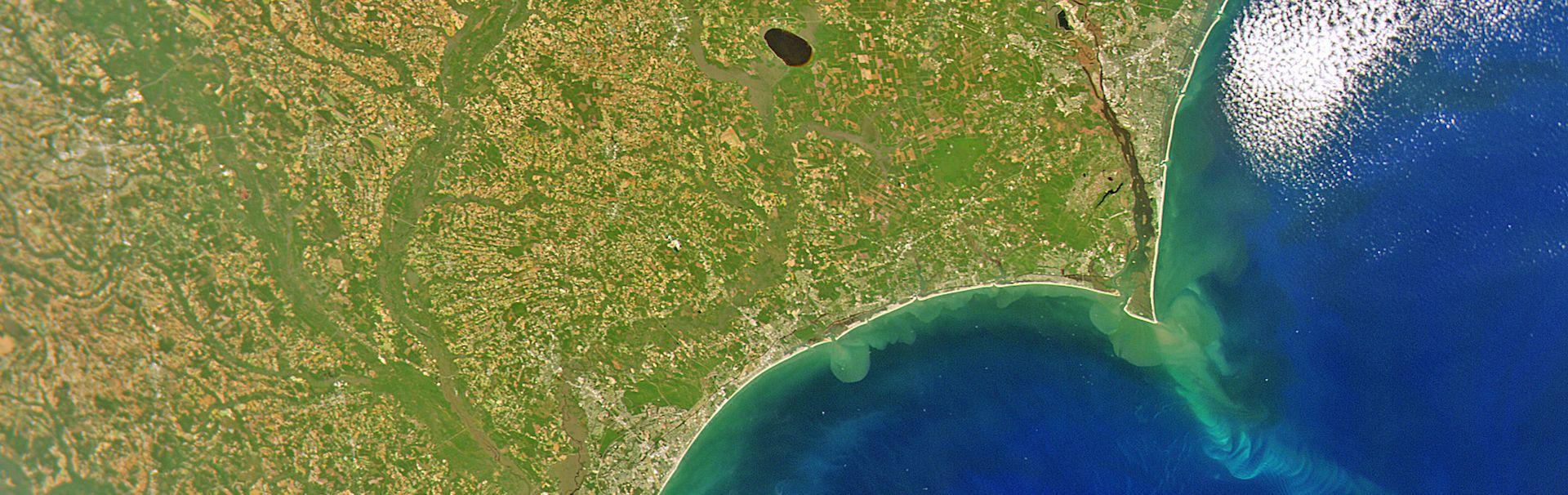
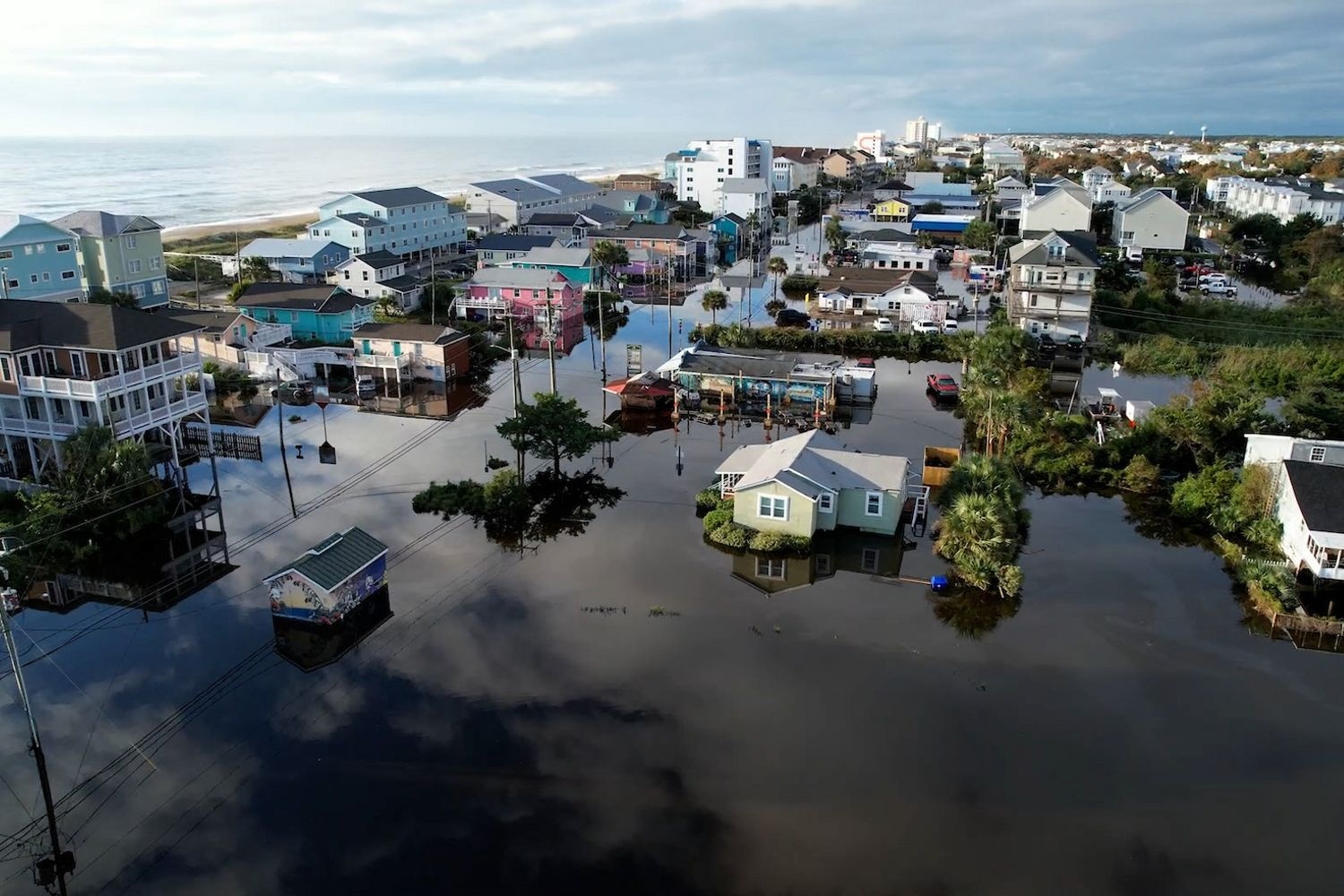
UNCW's Center for Marine Science (CMS) was awarded a $500,000 planning grant from The Endowment to identify flood vulnerabilities and increase the effectiveness of community response to flood safety and resilience. By aligning ongoing resilience efforts and bringing together local governments, private organizations and university experts, the project will address the growing complex risk of flooding in the rapidly developing coastal community.
Ken Halanych, CMS executive director, Lynn Leonard, CMS associate director for research and innovation, and Phil Bresnahan, associate professor of earth and ocean sciences, are leading the effort. Supported by the grant, the team will develop a Flood Resilience Consortium that brings together agencies and organizations focused on community preparedness and provides a sustained framework for comprehensive guidance.
Research will drive the consortium's outreach, workshops and implementation of shared priorities and clear roles to guide long-term flood resilience efforts. The consortium also plans to develop a comprehensive inventory of maps, models, data and other resources to outline key vulnerabilities, priority projects and timelines, as well as responsibilities.
From Hatchery to Community
A partnership between CMS and Chef Dean Neff, owner of Zora's Seafood Market and Seabird restaurant in downtown Wilmington, is helping improve access to safe, healthy seafood for local families. Inspired by a study examining risks faced by residents who rely on fishing for food in contaminated stretches of the Cape Fear River, Neff proposed creating a "fish bank" through Zora's Seafood Market.
Each week, UNCW-raised small-grade black sea bass are delivered to Zora's Seafood Market, where families can pick them up after the market prepares the fish. Patrick Carroll, research specialist and aquaculture facility supervisor, said small-grade fish often go unsold, and the program frees valuable tank space for the next cohort of fish.
"In this endeavor, our aquaculture program highlights the benefit of fresh, nutritious and sustainable finfish, specifically sea bass, to community members in an affordable way," said Halanych.
Carroll and Neff hope the initiative raises awareness about food insecurity and the importance of local, sustainably produced seafood, while demonstrating what community partners and the university can accomplish together to meet local needs.
Faculty Connecting Campus and Industry
UNCW faculty are strengthening connections between the university and local industry and businesses through two new distinguished professorships, supported by David '78 and Helen Congdon's historic $10 million commitment, which established the Congdon School of Supply Chain, Business Analytics and Information Systems in the Cameron School of Business.
Earl E. Congdon Distinguished Professor of Supply Chain Management Jay Jayaram is expanding research in maritime supply chains, port logistics, artificial intelligence and cybersecurity while strengthening applied learning and industry engagement.
John B. Yowell Distinguished Professor of Information Systems K.D. Joshi's research explores digital labor, STEM inclusion, linguistic justice in AI and value-sensitive design. Through experiential learning opportunities afforded by the professorship, Joshi engages in IT and AI consulting projects with local small businesses and close mentorship of graduate students.
Community-Based Participatory Research
Housed in the College of Health and Human Services, the Community Engaged Scholars Academy (CESA) is a university-wide professional development program focused on training and supporting researchers in conducting community-based participatory research. To date, CESA has launched two cohorts totaling 17 participants, including two doctoral students and disciplinary representatives ranging from nursing and public health to anthropology and computer science.
The program fosters interdisciplinary collaboration with nonprofit and public sector organizations focused on education, health, housing, aging and community wellbeing. Example partnerships include Pender County Schools, New Hanover County Health and Human Services, Lower Cape Fear LifeCare, Detroit Elders and Feast Down East.
In addition to building strong relationships that address community needs through co-developed research projects, CESA participants advance community-based scholarship through applied products such as clinical screening tools, educational interventions and resource guides, as well as manuscripts and conference presentations.
High Impact Opportunity for Coastal Engineering Students
A team of coastal engineering seniors gained hands-on, industry-focused experience through a capstone course led by Greg Williams, assistant professor of practice in the Department of Physics and Physical Oceanography. Developed through a UNCW High Impact Practices Faculty Fellowship, the course connected students with industry and community partners on applied coastal engineering projects.
As part of a shoreline stabilization project at Fort Caswell, one student team conducted field data collection and used numerical models to assess erosion and mitigation strategies along the Cape Fear River. The course concluded with presentations to the program's industry advisory board.